 Blog
Digital Wallet Management System: A Complete Guide to Connected Digital Transactions
Introduction
Digital transactions have become an important part of modern business operations. From managing online payments to maintaining account balances and purchasing products, users increasingly need organized ways to handle their digital funds. A **Digital Wallet Management System** provides a structured environment for managing balances and carrying out eligible transactions through different digital wallet categories. For businesses offering multiple digital services, managing every transaction through separate systems can create unnecessary complexity. Users may need to deposit funds, maintain balances, make purchases, track income, or pay for eligible services. A connected digital wallet ecosystem can help organize these activities within a single platform. OpenDevSol's Digital Property Exchange platform concept brings digital wallets, SCM transactions, eligible property units, e-commerce activities, and dealer support together. Its wallet structure separates different activities into dedicated categories, helping users understand how balances can be used within the ecosystem. In this guide, we will explore how a digital wallet management system works, the different types of wallets, its important capabilities, and how connected digital transactions can support an integrated digital platform.
What Is a Digital Wallet Management System?
A digital wallet management system is a digital solution designed to organize balances and transactions associated with different wallet accounts. Depending on the platform, it can support deposits, purchases, transfers, payment records, and other eligible financial activities. Instead of treating every transaction as a separate process, a connected wallet system organizes activities according to defined rules and permissions. For example, a user may deposit funds into an account, complete the required verification, purchase a platform-specific currency, and use the eligible balance for supported services. Separate wallet categories can help distinguish personal spending from investment-related balances, income receipts, and online shopping. In the Digital Property Exchange ecosystem, SCM is described as the company's currency for relevant transactions. The platform connects its wallet categories with eligible property units and e-commerce activities. The actual functions available to users depend on the platform's implementation, company policies, and applicable transaction terms.
Why Is Digital Wallet Management Important?
Managing digital transactions becomes more complicated when a platform offers multiple services. Users may need to keep track of deposits, available balances, purchases, transfers, and other activities. Without an organized system, it can be difficult to understand which balance is available for a particular purpose or whether a transaction has been completed. A digital wallet management solution can help address these challenges by organizing account balances and supporting clear transaction workflows. For example, when a user deposits money, the platform can follow a verification process before reflecting the eligible amount in the relevant wallet. When the user purchases SCM, the corresponding transaction can be recorded according to the platform's rules. Similarly, separate shopping and income-related wallets can help users distinguish their e-commerce activities from other transactions. For businesses, this structure can support better transaction organization, clearer account records, and a more consistent user experience.
Key Components of a Digital Wallet Management System
1. Deposit Wallet
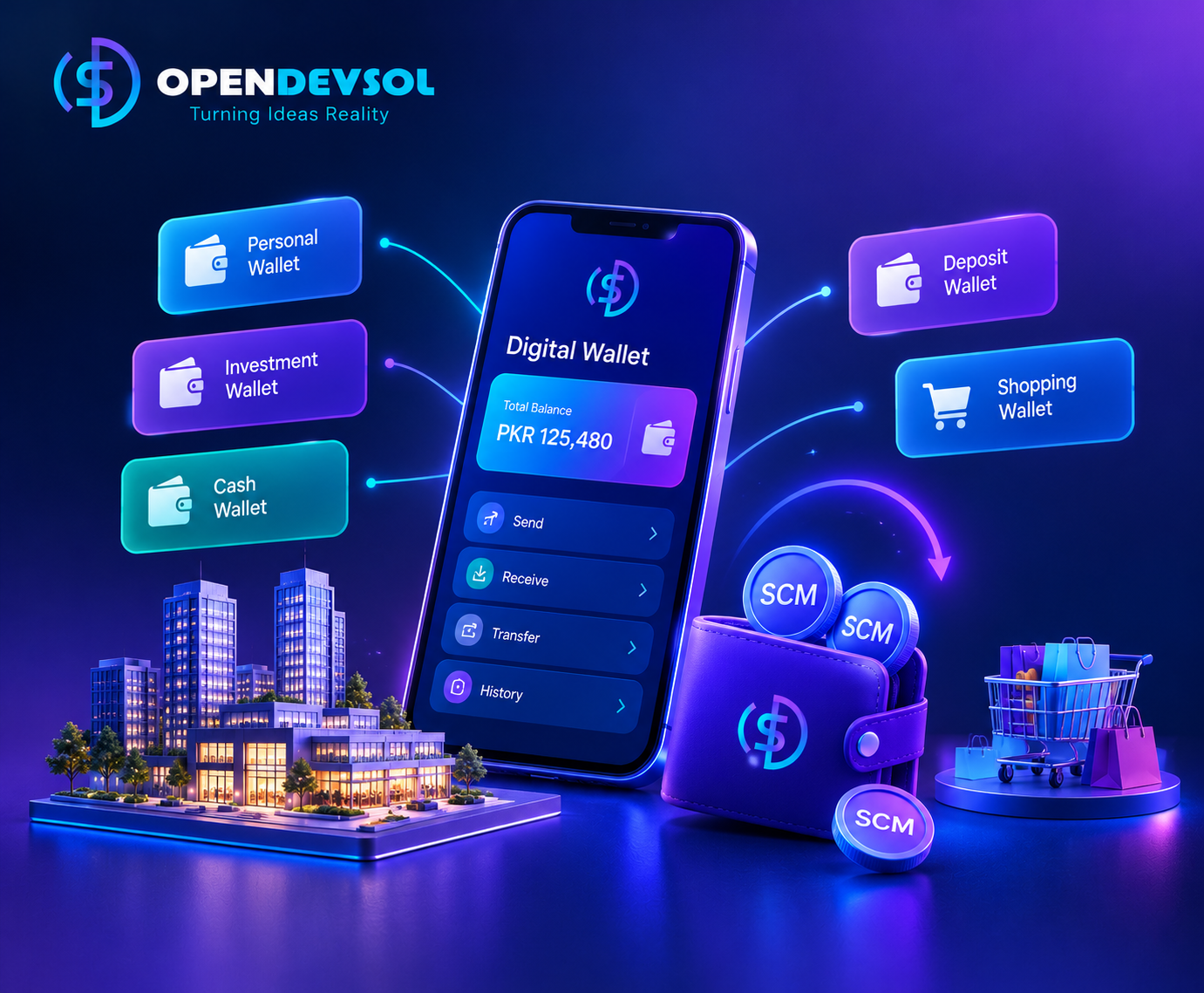
The Deposit Wallet is the starting point for the deposit process described in the Digital Property Exchange ecosystem. Users deposit funds according to the applicable company procedure. The amount is then verified before the eligible balance is credited in Pakistani rupees. Once the balance is available, users can follow the platform's process for purchasing SCM. A structured deposit workflow helps distinguish submitted deposits from verified funds. Users should review the applicable verification requirements, processing times, fees, and payment terms before making a transaction.
2. Personal Wallet
A Personal Wallet organizes balances intended for personal activities within the platform. In the Digital Property Exchange concept, an eligible balance can be used to purchase SCM for supported activities, including applicable e-commerce transactions and eligible property units. Keeping personal activities separate from other wallet categories can make it easier for users to understand how their balances are allocated. The available transactions and spending permissions depend on the platform's rules and the user's eligibility.
3. Investment Wallet
An Investment Wallet is designed to separate investment-related balances and transactions from everyday spending activities. Within the Digital Property Exchange ecosystem, it can be used to hold SCM and make eligible property-unit purchases or relevant payments and installments. This separation can help organize transaction records associated with property-related activities. However, using an investment wallet does not guarantee financial returns. Property-unit values, resale opportunities, income arrangements, and other outcomes depend on the specific offering, contractual terms, and relevant market conditions. Users should review ownership documentation and financial risks before committing funds.
4. Cash Wallet
A Cash Wallet is intended for receiving eligible income and managing related transactions within the platform. According to the Digital Property Exchange concept, this wallet may support applicable rental or other income receipts, eligible withdrawals, transfers to another user's SCM account, and purchases of additional eligible units. These functions remain subject to company policies and transaction eligibility. A clearly defined income wallet can help users distinguish received amounts from deposits and balances allocated to other activities. Before using withdrawal or transfer services, users should confirm the applicable limits, fees, settlement procedures, and conditions.
5. Shopping Wallet
A Shopping Wallet organizes balances intended for eligible e-commerce purchases. The Digital Property Exchange concept describes transferring an eligible amount into the Shopping Wallet and using it to purchase supported products or services through the associated online store. This arrangement separates shopping transactions from property-related or investment-related activities. For example, a user may transfer an eligible balance to the Shopping Wallet before purchasing an available product. The transaction can then be handled according to the store's payment rules. Actual product availability, spending limits, refunds, and supported payment methods depend on the applicable e-commerce policies.
How Does a Digital Wallet Management System Work?
Although every platform has its own workflow, a connected wallet ecosystem can follow a structured transaction process.
**Step 1: Account access**
The user accesses the platform through the available account interface and follows any required registration and verification procedures.
**Step 2: Deposit submission**
The user submits a deposit through an approved payment method and provides the required information.
**Step 3: Deposit verification**
The platform follows its verification process before crediting the eligible amount to the relevant account balance.
**Step 4: Balance allocation**
The user follows the applicable rules to purchase SCM or allocate eligible balances to supported wallet categories.
**Step 5: Transaction execution**
The available balance can be used for eligible activities, such as supported shopping transactions, property-unit purchases, or other permitted services.
**Step 6: Transaction review**
Users review available balances and transaction records through the functions provided by the platform. This structured process helps explain how funds move between different activities. The exact steps, transaction processing times, and available functions must be confirmed against the platform's actual implementation.
Connecting Digital Wallets With Property Units
A digital wallet ecosystem can extend beyond ordinary online shopping when it is connected to other digital services. The Digital Property Exchange concept connects SCM transactions with eligible property units measured through defined square-foot allocations. The described purchasing process involves understanding the applicable SCM price, determining the required SCM per square foot, selecting an eligible area, and completing the required payment process. For example, if an offering specifies a price of 900 SCM per square foot, a five-square-foot allocation would require 4,500 SCM before any additional applicable charges. This is an illustrative calculation, not a statement of current platform pricing or availability. The platform overview identifies potential property-related offerings such as shopping malls, gyms, restaurants, and other commercial businesses. Before purchasing any unit, users should verify what the unit legally represents, what ownership rights apply, what documentation is provided, and whether any income or resale arrangements are contractually supported.
Digital Wallets and E-Commerce Integration
E-commerce integration allows a digital platform to connect eligible wallet balances with online shopping activities. Instead of handling every purchase through an unrelated payment process, an integrated ecosystem can provide a defined workflow for allocating funds to a shopping balance and completing eligible transactions. The Digital Property Exchange concept uses the Shopping Wallet for this purpose. A connected shopping process may help users review available balances, organize purchase-related transactions, and distinguish shopping activities from other wallet operations. For businesses, integrating wallet services with an online store requires clear payment rules, transaction records, refund procedures, and appropriate access controls. The exact integration capabilities depend on the e-commerce system, available APIs, payment arrangements, and implementation requirements.
The Role of Dealer Accounts
Dealer accounts form another part of the Digital Property Exchange ecosystem. The described dealer model provides guidance related to platform offerings, purchasing procedures, payments, and installments. Dealer accounts may also be associated with referrals or policy-based incentives where these arrangements are available. A structured dealer process can help users understand the applicable procedures and direct questions to the appropriate support channel. However, rewards, discounts, incentives, and other benefits should not be assumed to be guaranteed. Users should confirm the written terms, eligibility requirements, and payment arrangements before relying on any advertised benefit.
Benefits of a Connected Digital Wallet Ecosystem
A properly designed digital wallet management system can provide several operational advantages.
**Organized balances:**
Separate wallet categories help distinguish deposits, personal activities, investment-related balances, income, and shopping.
**Clearer transaction workflows:**
Defined deposit, verification, allocation, and purchase processes help users understand the stages of a transaction.
**Connected digital services:**
Integrating wallets with eligible property units and e-commerce can bring related activities into a common platform.
**Improved record management:**
Transaction histories and balance records can help users review their activities, subject to the platform's available reporting functions.
**More structured shopping:**
A dedicated Shopping Wallet can help separate e-commerce spending from other activities.
**Defined user responsibilities:**
Clear transaction policies and permissions help users understand which activities are available to them. These benefits depend on accurate records, appropriate security measures, clear policies, and the actual capabilities of the implemented platform. Security and Important Considerations Security is an important consideration for any platform that manages digital balances and transactions. Before using a digital wallet management system, users should understand how accounts are protected, what verification procedures apply, how transactions are recorded, and what happens if unauthorized activity occurs. Businesses implementing these systems should evaluate authentication, access permissions, data protection, transaction monitoring, backup procedures, and applicable regulatory requirements. Users should also carefully review deposit terms, transaction fees, withdrawal conditions, and the rules governing transfers between accounts. For platforms that connect wallets with property-related offerings, additional checks are important. Users should verify the company's legal status, ownership documentation, contractual rights, and any claims concerning rental income, resale, or returns. Digital wallet functionality alone does not establish that an investment is safe or profitable. Informed decisions require clear documentation and an understanding of the associated risks.
Why Explore OpenDevSol's Digital Property Exchange Platform?
OpenDevSol's Digital Property Exchange concept brings together multiple wallet categories, SCM transactions, eligible property units, e-commerce activities, and dealer support. Its structure illustrates how different digital activities can be organized within one connected ecosystem rather than handled as entirely separate processes. The concept includes a Deposit Wallet, Personal Wallet, Investment Wallet, Cash Wallet, and Shopping Wallet, each associated with a different purpose. It also describes workflows connecting eligible balances with property-unit purchases and online shopping. Organizations exploring a similar digital solution should first identify their required wallet categories, transaction rules, user roles, payment integrations, and reporting needs. OpenDevSol can help businesses discuss their digital platform requirements and explore a suitable development approach. The final features, integrations, security controls, and deployment arrangements should be confirmed during project planning.
Frequently Asked Questions
1. What is a digital wallet management system?
A digital wallet management system organizes digital balances and transactions. Depending on the platform, it can support deposits, purchases, transfers, payment records, and other eligible activities.
2. What are the main types of digital wallets?
Common wallet categories include deposit, personal, investment, cash, and shopping wallets. Their functions depend on the platform's design and policies.
3. What is SCM in the Digital Property Exchange ecosystem?
SCM is described as the company's currency for relevant platform activities, including eligible property-unit purchases and supported transactions.
4. Can a digital wallet be connected to an e-commerce store?
Yes. A platform can connect eligible wallet balances with an online store, provided the required payment workflows and integrations are implemented.
5. Can digital wallets be used for property-related transactions?
In the Digital Property Exchange concept, eligible SCM balances can be used toward specified property units and relevant payments, subject to the applicable terms.
Conclusion
A Digital Wallet Management System can provide an organized way to manage digital balances and transactions across different activities. When wallet categories are connected with other services, the platform can support structured workflows for deposits, purchases, income-related transactions, and e-commerce. The Digital Property Exchange concept demonstrates how multiple wallet categories can connect with SCM transactions, eligible property units, online shopping, and dealer support. Before using or implementing such a platform, it is important to understand the available functionality, transaction terms, security arrangements, ownership documentation, and financial risks. **Looking to develop a connected digital platform for your business? Contact OpenDevSol to discuss your requirements and explore suitable digital solutions.
Website: https://opendevsol.com
Email: info@opendevsol.com
Phone: +92 311 43 33 373